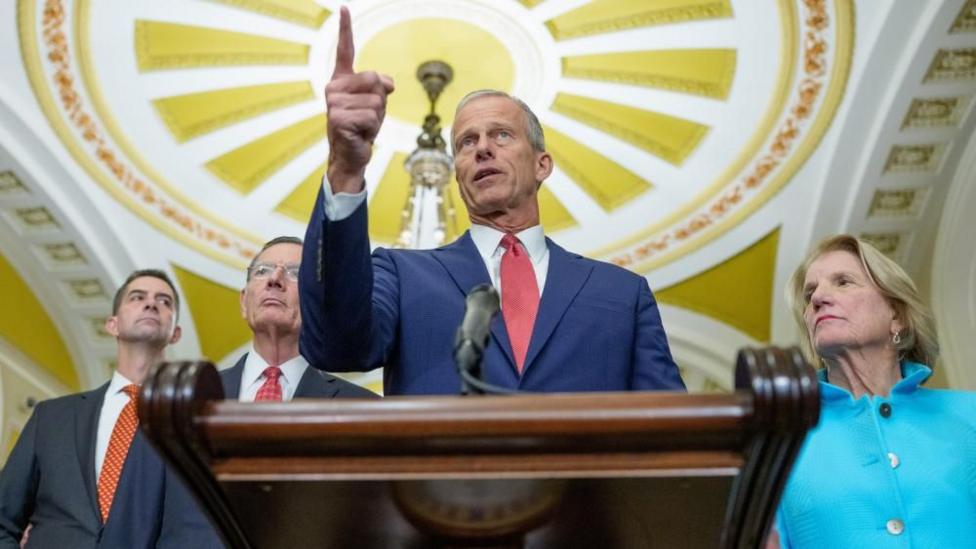
The U.S. Senate has recently passed an agreement that aims to prevent a government shutdown. This move is seen as a significant step forward, especially as many Americans rely on government services and support. However, it's important to note that this deal still faces additional challenges as it moves through Congress and needs further approval from the House of Representatives.
Government shutdowns occur when Congress cannot agree on a budget, leading to a halt in many federal operations. This can impact a wide array of services, including national parks, federal offices, and many roles that directly support citizens. With the current economic climate and ongoing debates about funding priorities, making sure the government continues to function is crucial for stability.
The passing of this bill illustrates the complexity of U.S. politics, where compromise is often necessary. It’s worth considering why such agreements are often contentious and what factors influence lawmakers’ decisions. While a deal is in place for now, politicians will still need to engage in tough negotiations to finalize the budget and ensure that the government remains open.
Understanding this process is essential for young citizens as it affects everything from education funding to healthcare services. Keeping an eye on these developments allows individuals to be informed about how political decisions shape their lives.