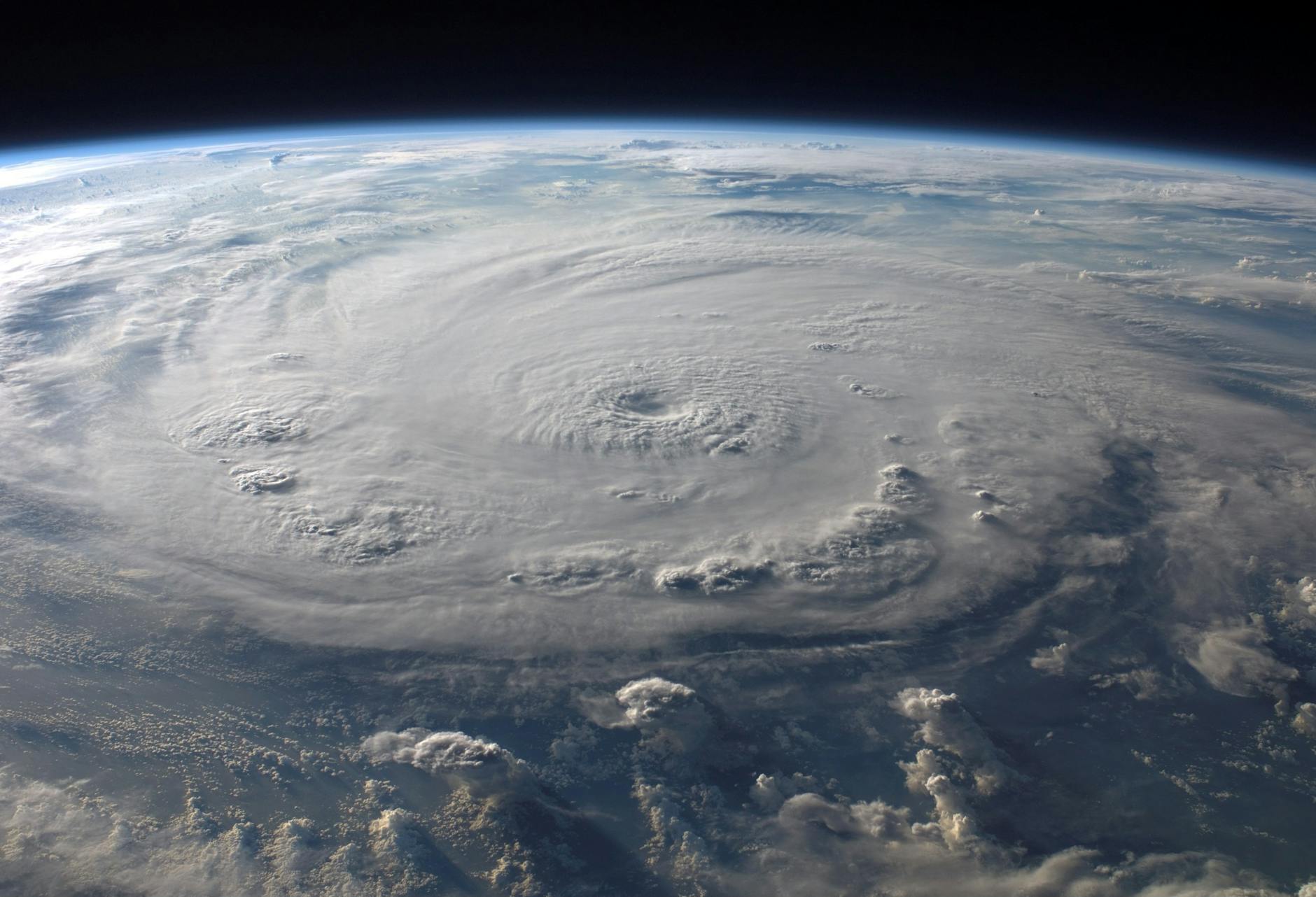
Jamaica is currently dealing with the impact of Hurricane Melissa, which has been classified as the world's strongest storm of 2025. Reports indicate that at least three people have lost their lives, prompting serious concerns from local authorities and meteorologists. They have warned residents about the dangers posed by life-threatening winds, potential flooding, and storm surges, which can significantly affect coastal areas.
As the storm continues its path, it’s important to understand the broader implications of such natural disasters. Hurricanes like Melissa are still a pressing concern, especially in regions like the Caribbean, which often experience severe weather. Events like this highlight the need for effective disaster preparedness and community resilience. Local emergency services are working hard to ensure public safety, but the impact of hurricanes can be devastating, leading to loss of life and property.
This storm also raises questions about climate change and its role in the increasing intensity of such weather events. Scientists have noted that warmer ocean temperatures can fuel stronger hurricanes, making understanding this issue crucial for future generations. While the immediate focus remains on protecting lives and property, the long-term implications of these weather patterns cannot be ignored.
In the wake of Hurricane Melissa's impact, individuals and communities must reflect on how they can prepare for future storms and contribute to efforts addressing climate change. Adapting to and mitigating the effects of severe weather is vital for ensuring safety and sustainability in a world where such extremes are becoming more frequent.