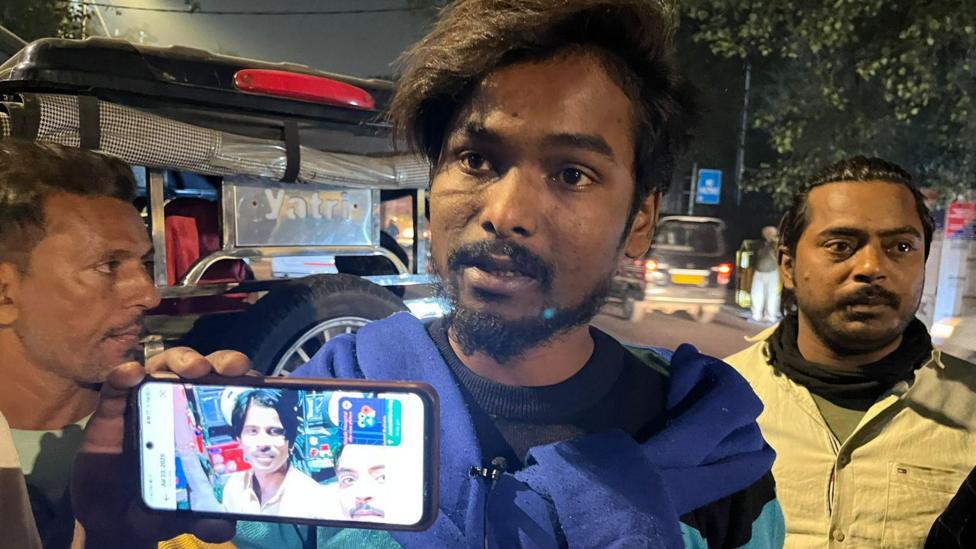
On Monday evening, an explosion shook the Indian capital of Delhi, alarming residents and drawing the attention of local authorities and media. Eyewitness reports paint a vivid picture of the aftermath—chaos in the streets, emergency services rushing to the scene, and many people grappling with fear and uncertainty. This incident has been covered extensively by BBC journalists, who provide a first-hand account of the devastation and responses from the community and officials.
Investigators have started probing the cause of the explosion to determine whether it was accidental or deliberate. Such incidents are not uncommon in densely populated urban areas, where various factors like infrastructure weaknesses or security threats can contribute to dangerous situations. The government's response will likely include increased security measures and perhaps a discourse on the city’s preparedness for unexpected emergencies.
Understanding the reasons behind this explosion is vital not just for Delhi, but for all urban spaces around the world. As cities grow, maintaining public safety becomes increasingly complex. Young readers should consider how these events shape urban policy and community resilience in modern societies. The impact of such events can resonate for years, influencing everything from safety regulations to community trust in government institutions.