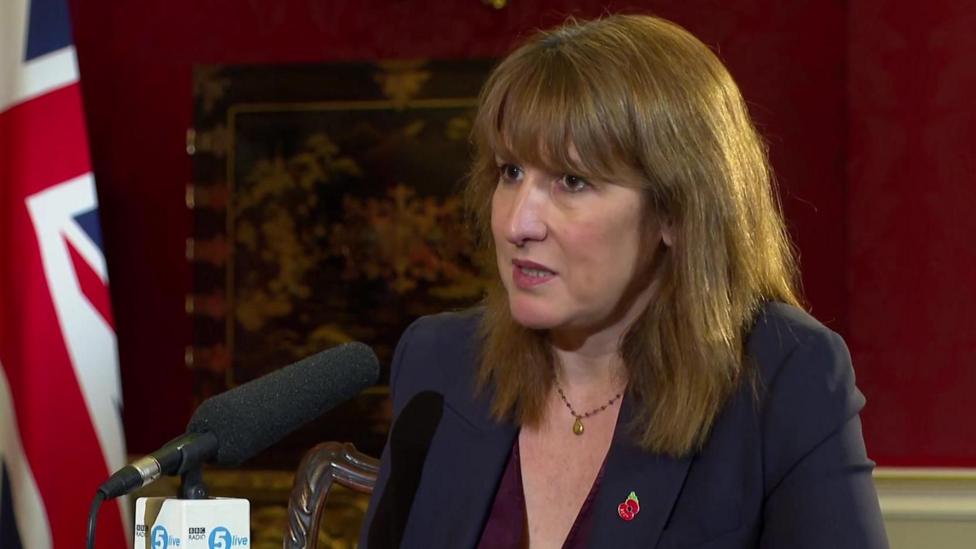
The UK's Chancellor has suggested that current welfare benefits for larger families may be adjusted. According to a recent interview with the BBC, the Chancellor believes that children from bigger families should not face disadvantages due to the welfare system. This statement aims to address concerns about how benefits are structured and their impact on families with multiple children.
Currently, there are limits on benefits that can be claimed by families with several dependents. Critics argue that these limits can create financial strain on larger households, making it difficult for them to provide for their children. By proposing to lift these restrictions, the Chancellor may be acknowledging the need for a welfare reform that supports all families equally, regardless of their size.
This discussion comes during a time when many households are feeling the pressure of rising living costs. The idea is that by increasing support for larger families, children would have better access to essential resources like education and healthcare, which could have long-term benefits for society. The government’s position reflects a growing conversation about social equity and the role of welfare in ensuring all children have a fair start in life.
Understanding the implications of this proposal is essential. It invites us to think about how policies can shape family dynamics and social structures. As the conversation continues, it’s crucial to consider the broader impacts these changes may have on society as a whole.