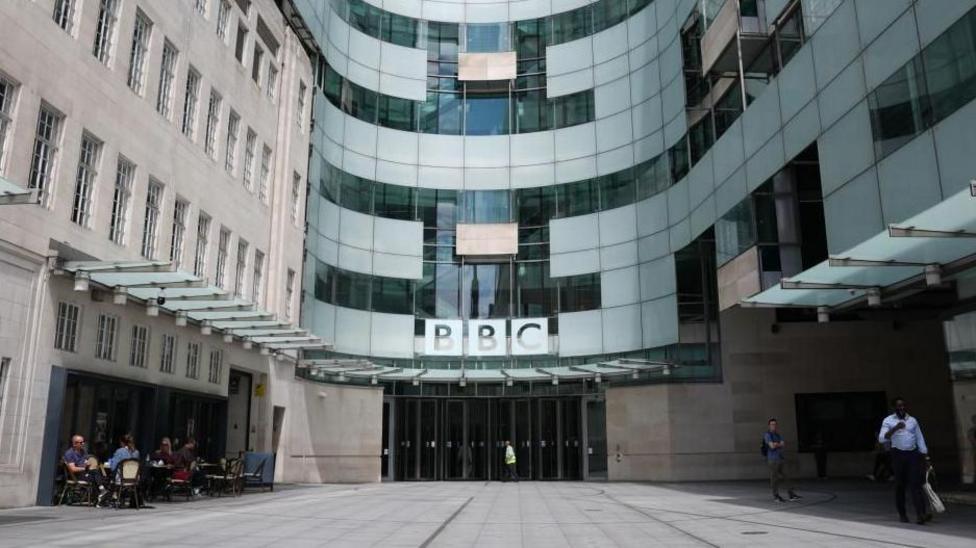
The BBC is taking allegations of 'systemic bias' seriously, according to the broadcaster's chair, Lucy Nandy. This follows claims that a recent episode of Panorama, a well-known investigative program, may have misled viewers regarding the subject it covered. In response to these concerns, Nandy has stated that the organization will be addressing these accusations in detail with a parliamentary committee, which is responsible for overseeing the BBC's operations.
Contextually, Panorama is a flagship program that has been known for tackling serious and often controversial topics. Given its reputation, any allegations of misleading content can significantly impact public trust in the broadcaster. This situation is particularly important in today's media landscape, where consumers are increasingly concerned about the reliability and impartiality of the news they receive.
The issue at hand highlights broader discussions about media ethics and accountability. Young people, who often turn to various sources for news, may need to critically evaluate what they watch and read. The outcomes from this situation could shape the way media organizations operate and how they are held accountable for their content. This scrutiny may also influence viewers' perceptions of journalism as a whole, especially among younger audiences who are keen to engage with accurate and fair narratives.